Sheriff warns online ‘predator hunters’ may be hurting child exploitation cases
Genesee County sheriff says vigilante approach can compromise evidence and ruin prosecutions
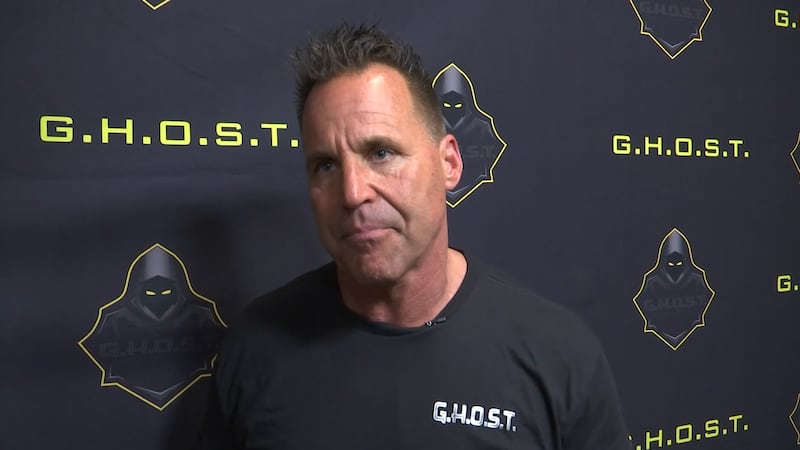
GENESEE COUNTY, Mich. — A sheriff known for targeting human traffickers is advising people to leave child predator stings to the professionals.
Across Michigan, “predator hunters” are growing online, confronting their targets with cameras rolling and generating a lot of online views. But Genesee County Sheriff Chris Swanson says that approach can hurt cases involving children.
The videos are everywhere. Groups posing as minors online arrange meetups, then confront suspected predators in parking lots, stores, even outside homes. Some stream it live. Some post it for clicks. Others say they’re doing what law enforcement can’t.
Evidence concerns
“When you take the law into your own hands, you complicate the case. So at the end, you may want to expose somebody, but the accountability is not there,” Swanson said.
Swanson, whose agency has a unit dedicated to tracking down predators, says there’s a major difference between helping law enforcement and becoming a vigilante.
Vigilantism is when private citizens take enforcement into their own hands, outside official legal authority.
“Once that is compromised in a vigilante justice scenario, that case is ruined. It’s called the fruit of the poisonous tree. And so, this is the complication that we see not only with current influencers, but what we’ve been dealing with for years,” Swanson said.
Investigators say one of the biggest concerns is evidence. If a suspect realizes they’re being targeted before police step in, they could delete messages, destroy devices, or disappear completely. And in some cases, innocent people have reportedly been falsely accused online.
Outside the Genesee County jail, these viral predator stings may look simple on social media, but investigators say building a real criminal case takes way more than just catching somebody on camera.
“When the arrest is made, you have to show probable cause in order to meet the variables that a prosecutor can charge. But if that is compromised you can’t use any of it. And so, even though you’ve exposed somebody none of that can be used to hold them accountable. And that’s the issue,” Swanson said.
Mixed response from law enforcement
Not every agency sees these groups the same way. Some have accepted tips or digital evidence from citizens. Others avoid working with online predator hunters altogether because of liability concerns.
Swanson says if someone suspects child exploitation, the best move is documenting information and contacting authorities immediately.
“We need everybody out there looking for things. When you’re at the airport and you see something suspicious. When you see something, say something,” Swanson said.
Copyright 2026 WNEM. All rights reserved.